30+ cities
Dedicated agronomy pods in Delhi NCR, Mumbai, Bhandwari, Pune, and tier-2 cities enable rapid deployment.
Host high-energy plantation drives with scientific planning, native species, and transparent reporting.
Initiative Snapshot
Each drive combines local ecology, practical planning, and people participation so saplings survive well beyond the launch day.
30+ cities
Dedicated agronomy pods in Delhi NCR, Mumbai, Bhandwari, Pune, and tier-2 cities enable rapid deployment.
Why this matters
Perimeter greening drops ambient temperature by 2–4°C, filters PM2.5, and protects nearby communities.
Partners today expect environmental work to be real, visible, and sustained, not a one-day activity.
Civic agencies now link approvals to visible environmental buffers and community-inclusive programmes.
Blueprint
Baseline studies, soil tests, utilities scan, and clear goal-setting with government partners.
Species plans, pit grids, signage, and safety notes are adapted to each location and team.
Arborists, medics, emcees, and logistics teams deliver a high-energy yet safe on-ground experience.
Drip irrigation, mulching, and seasonal care keep saplings healthy through two growth cycles.
Quarterly updates, field photos, fund-use records, and carbon stories are shared clearly.
Why partners choose this chapter
Location-tagged pits, labelled plots, and periodic follow-up checks make progress easy to see.
Gamified volunteer stations, leadership circles, and media kiosks keep teams inspired.
Site signage and clear storytelling help each effort stay visible well beyond plantation day.
Adoption plaques, community caretakers, and rapid-response maintenance protect impact.
Story in numbers
Drives executed in the past five years.
Native plants planted across campuses, industrial belts, and public parks.
Public institutions revitalized with micro forests.
Litres of harvested water re-circulated through drip systems annually.
18,900 tCO₂e
Estimated carbon capture over 20 years, shared species-wise in simple language.
Case highlight
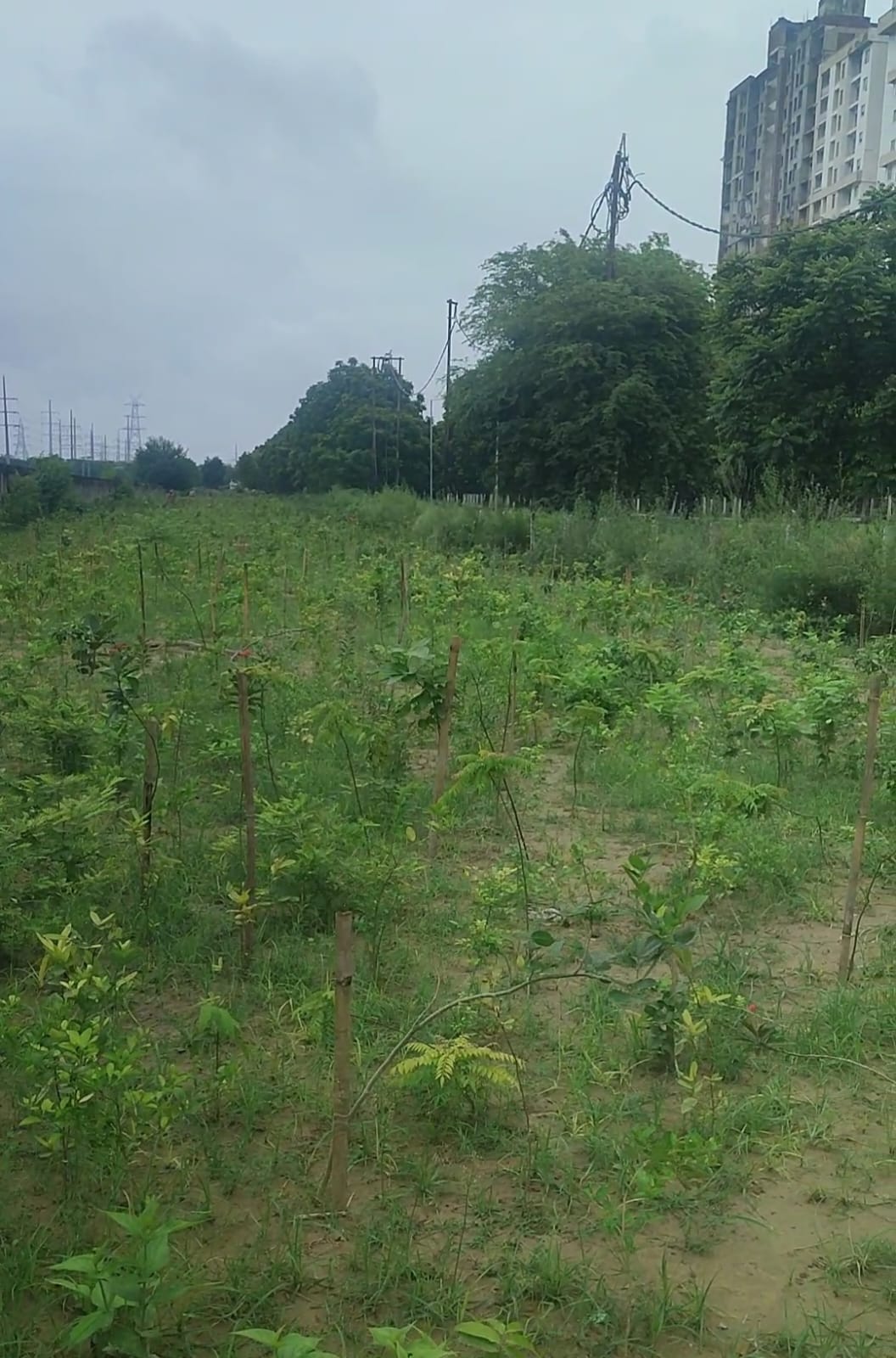
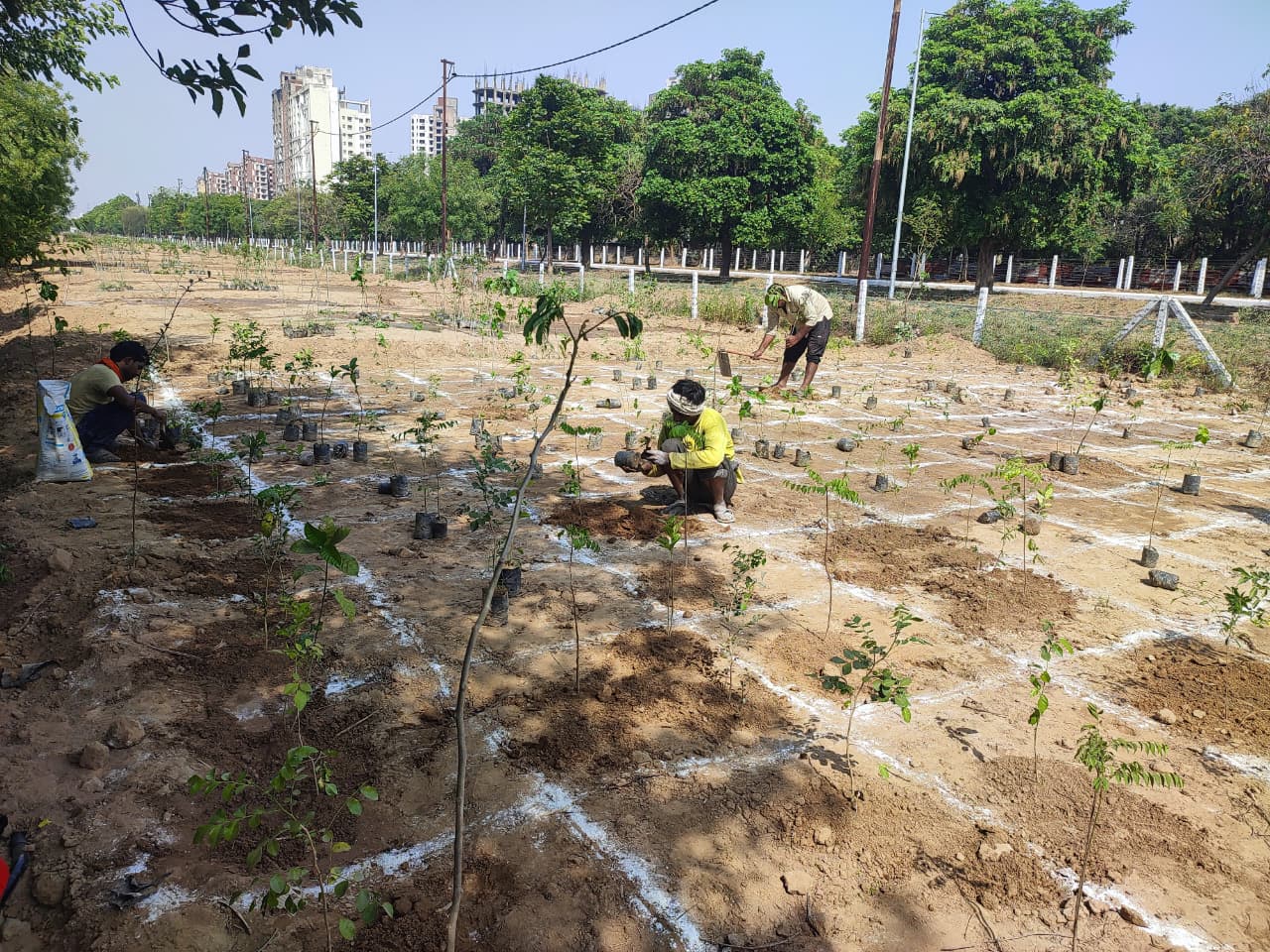
The Ashrut programme converted highway medians and NDMC parks into dense native corridors. 600+ employees planted 45,000 saplings, while Hara Jeevan’s agronomy team ensured 94% survival through automated drip systems and citizen caretakers.
Gallery
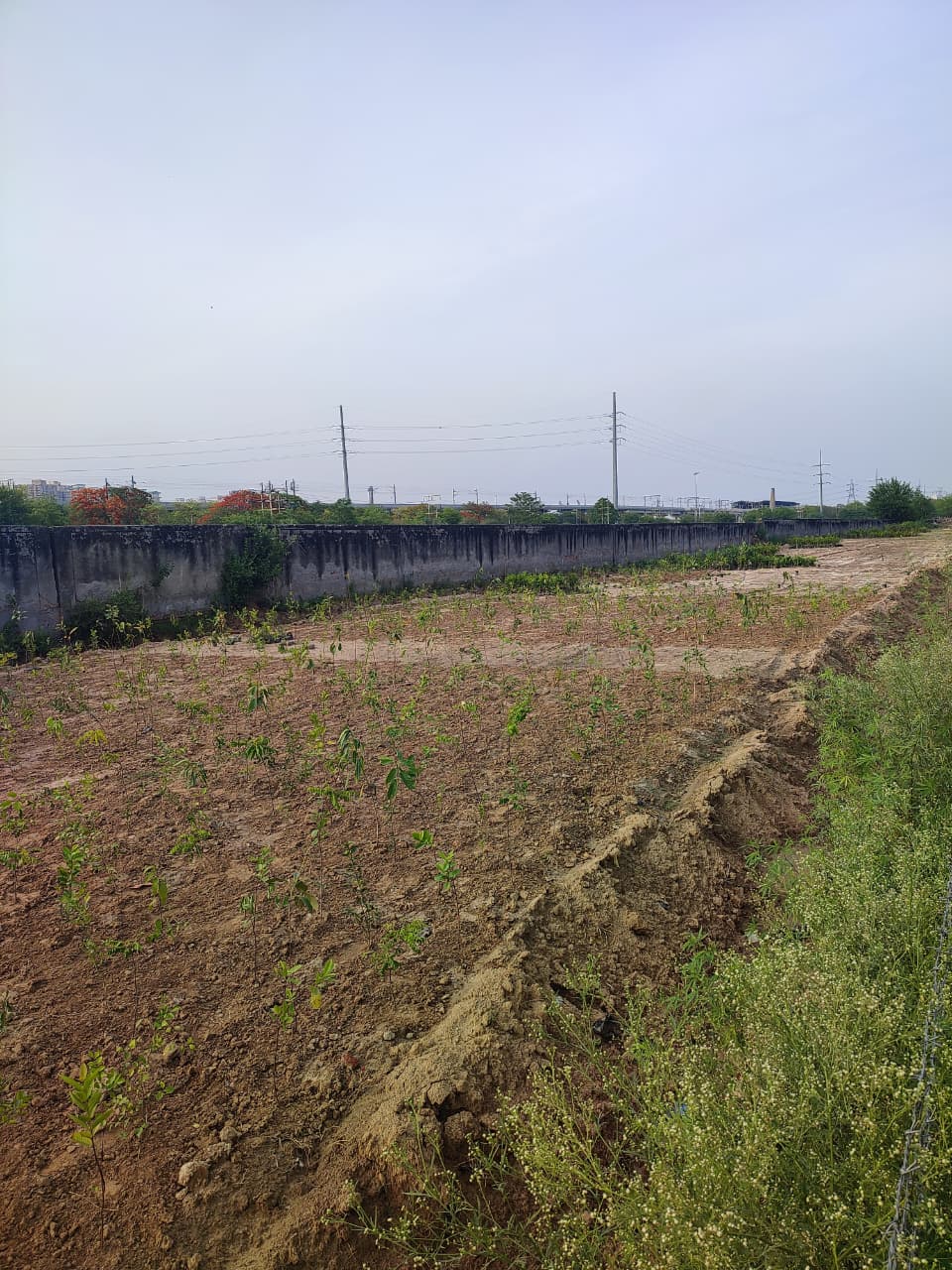
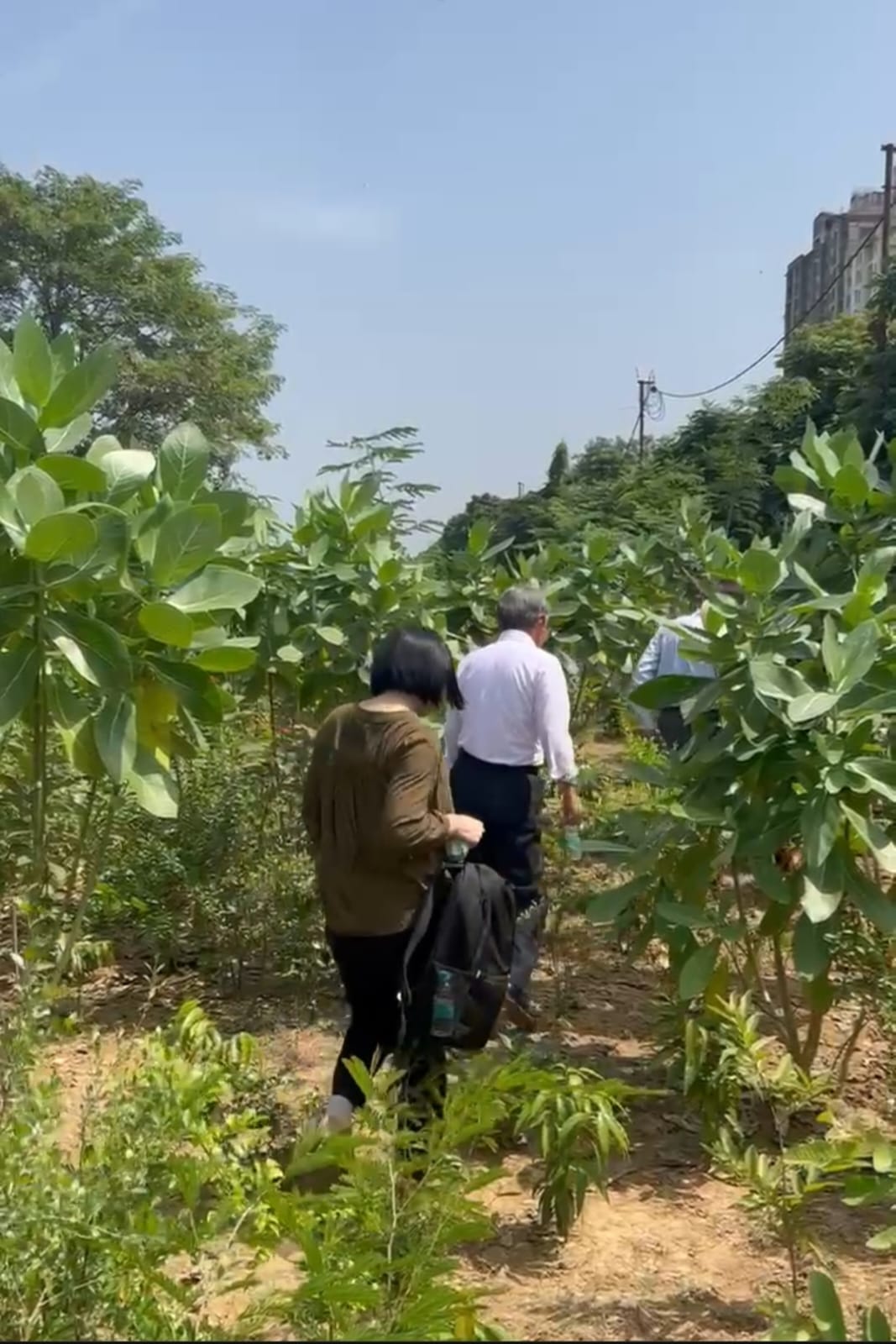

Collaborate with us to execute planned community plantation drives with high-energy volunteer participation, native species, and transparent impact tracking.
Receive site-specific plans matching your brand values and budget.
Detailed survival tracking, GPS maps, and carbon capture estimations.
Feasibility checks and spatial designs sent within 5 business days.