Starting checks
Water-flow surveys, sludge profiling, and local consultations with villagers.
A full-spectrum ecological restoration programme stabilised Delhi NCR's Bhandwari lake and made it a public commons again.
The Problem
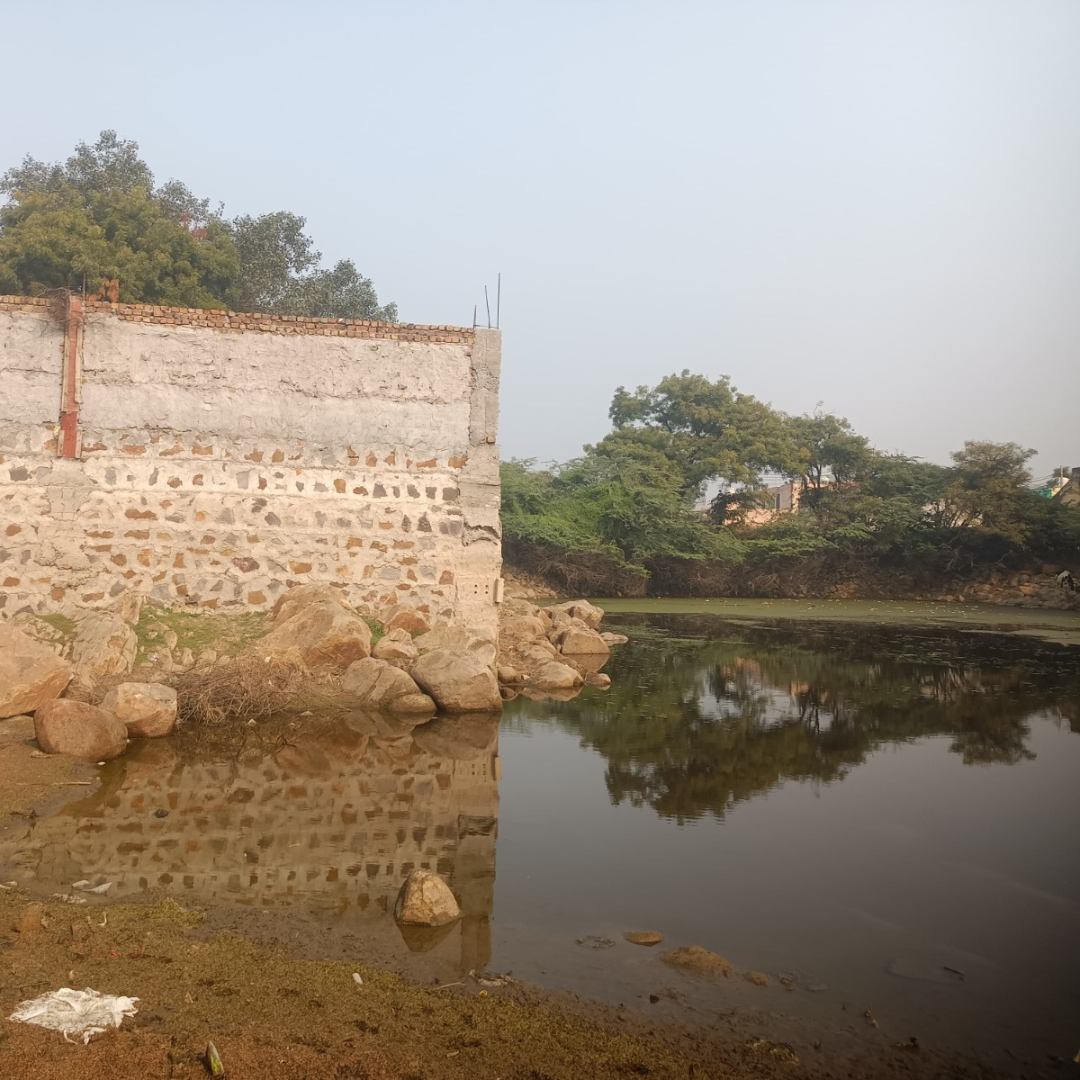
The Bhandwari water body, situated at the Aravalli foothills in Delhi NCR, was once a crucial freshwater sink and local ecological commons. Over years of neglect, it suffered from severe desiltation, eroded embankments, and extensive garbage dumping. The incoming sewage and waste accumulation led to major ecological decline, toxic sludge, and a drying water bed, impacting ground aquifers and regional birds.
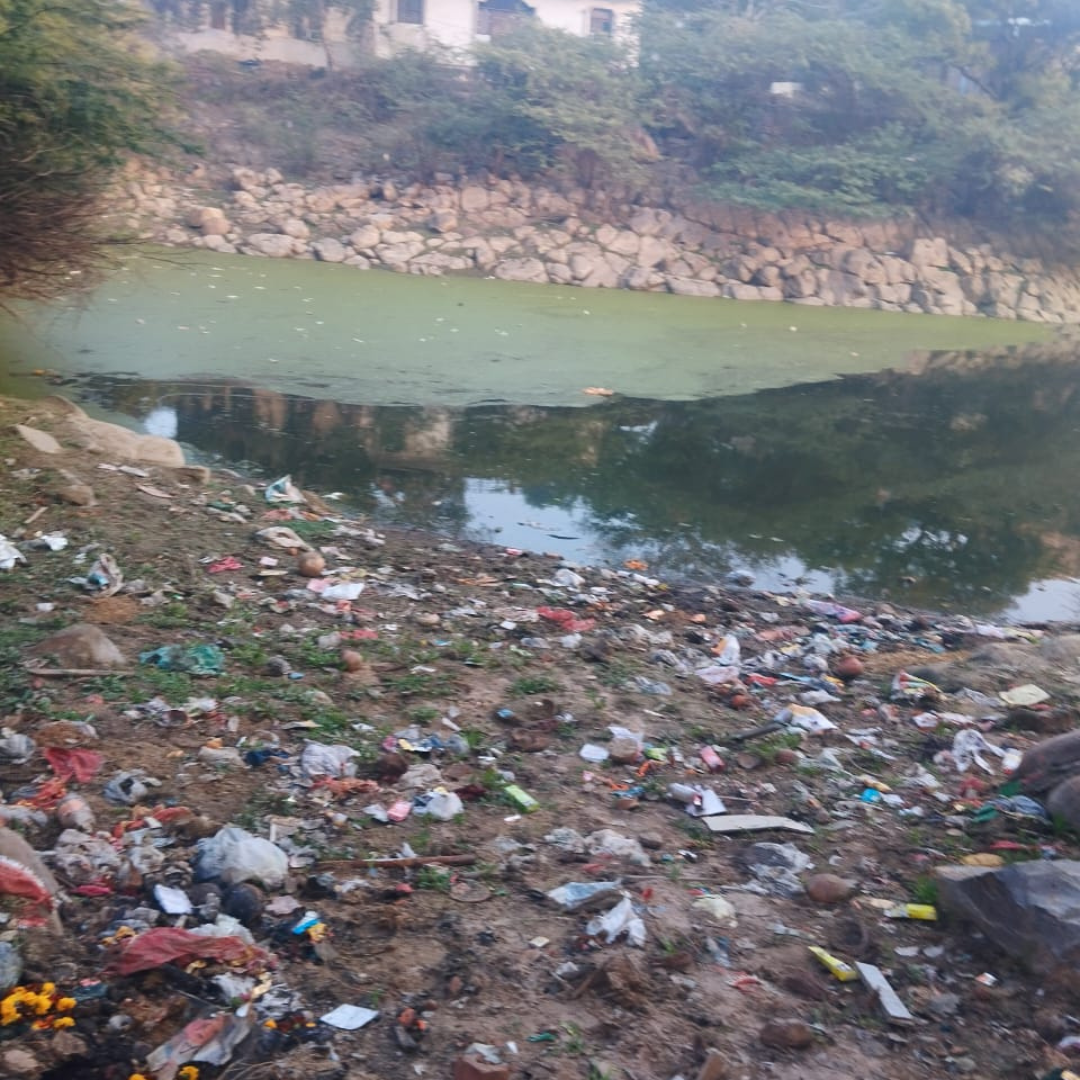
What We Are Doing
Hara Jeevan implemented a systematic ecological revival plan. We started with inlet sludge surveys and water profiling. We physically desilted the lake bed, repaired the soil embankments, and designed a robust overflow spillway. To treat incoming water naturally, we constructed reed beds, planted riparian vegetation, and installed active aeration points.
Water-flow surveys, sludge profiling, and local consultations with villagers.
Mechanical desilting, embankment repairs, spillway redesign, and inlet filters.
Native trees, grasses, and aquatic plants planted to prevent erosion and boost biodiversity.
Lake caretakers, water testing schedules, and school adoption programmes institutionalised.
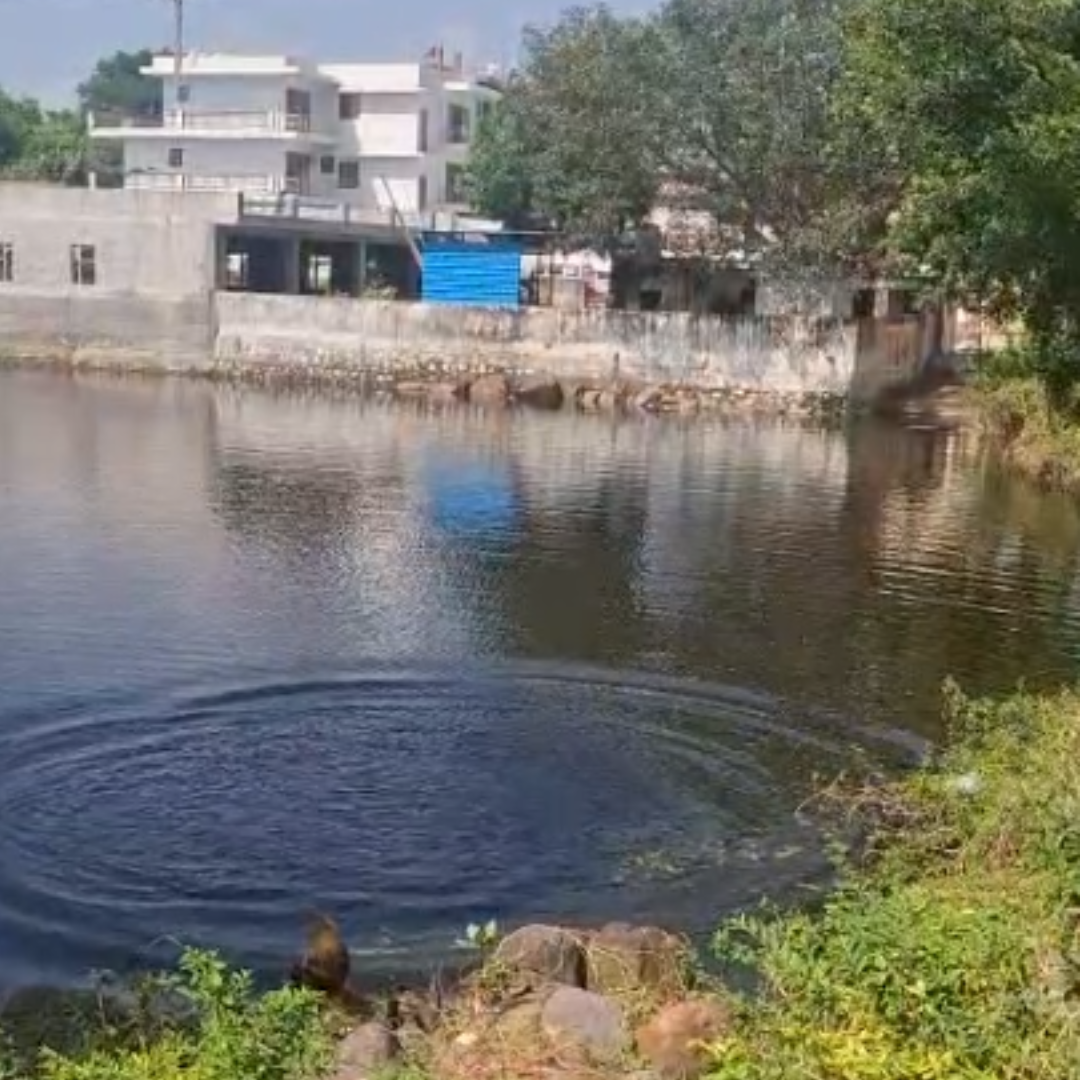
Village elders, RWAs, and nearby schools meet quarterly to review water data, organise cleanliness drives, and align corporate CSR support.
Current Status & Impact
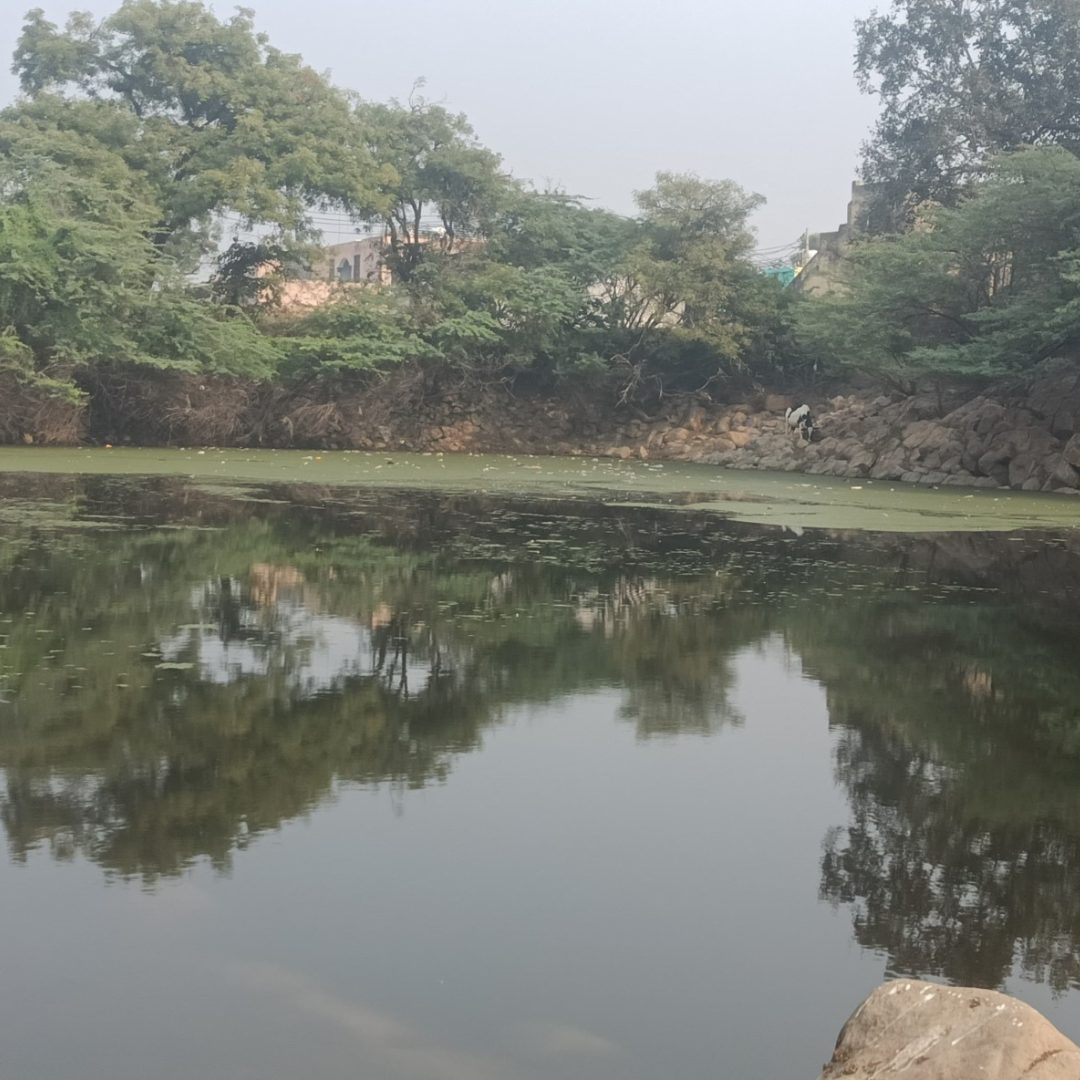
Today, the Bhandwari water body is a thriving freshwater sink and a scenic sanctuary for birds. Riparian planting has successfully bound the banks and keeps local temperatures cooler, recharging the regional water table daily.
storage capacity restored after desilting.
in surface temperature due to riparian canopy.
perimeter trail activated for monitoring.
bird and pollinator species logged post-revival.
Gallery