Stories of overlooked places now cared for.

From damaged land, stressed water, and unmanaged waste to greener commons, safer spaces, and lasting habits.

Project Focus Areas

Restoration work shaped around real places and people.

Explore the work by landscape type, from urban forests and water bodies to schools and neighbourhood campaigns. Each project shows the local problem, the intervention, and the care needed after launch.

Native plantation at an urban restoration site

Land & Biodiversity

Urban forests, green belts, and native plantation sites.

Tree planting and landscape revival projects built for shade, biodiversity, and long-term site care.
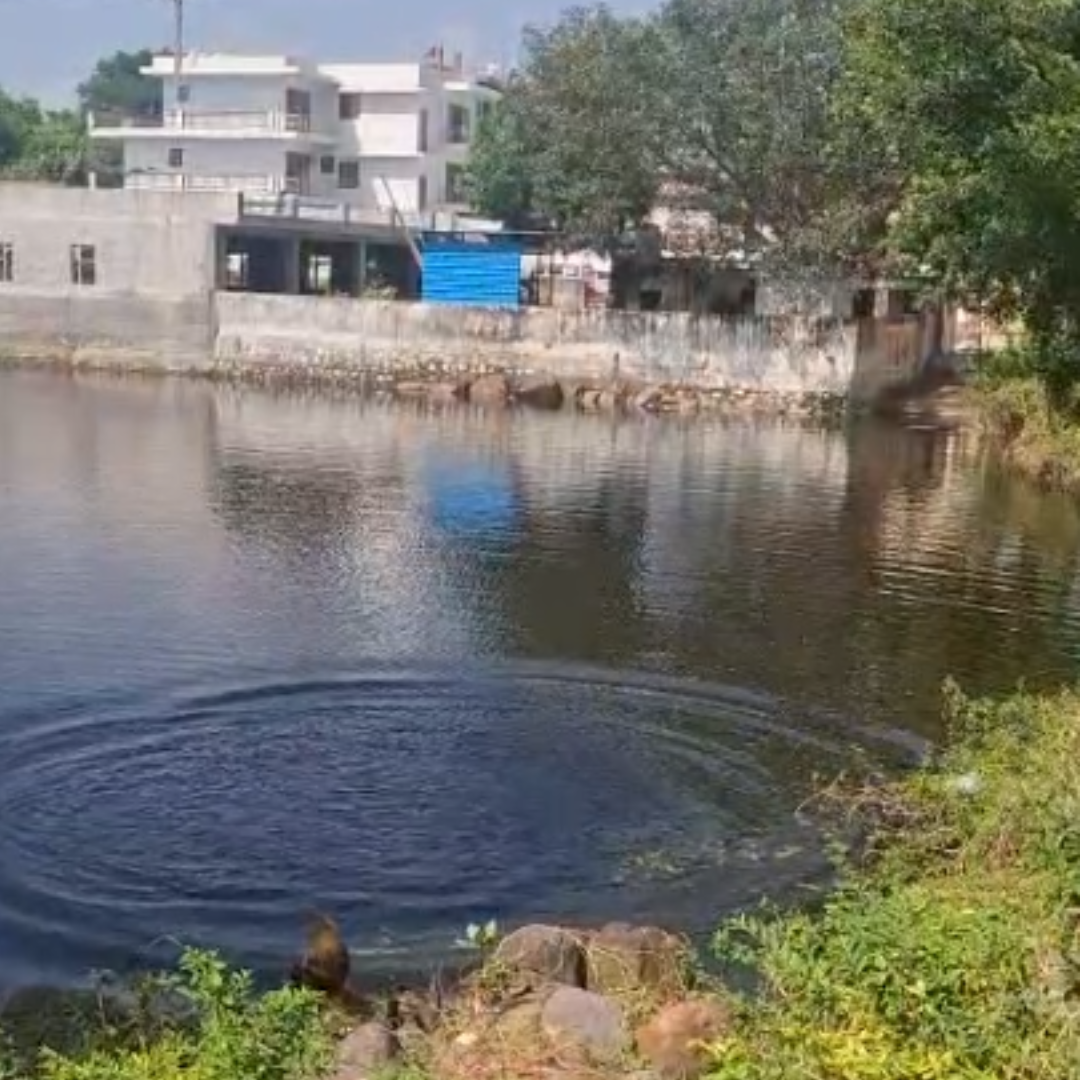
Water body restoration work near Bhandwari

Water Restoration

Lakes, ponds, and water edges brought back into use.

Restoration stories focused on cleaning, edge planting, visibility, and local ownership.
Students participating in environmental learning

Schools & Communities

School programs, public campaigns, and volunteer action.

Hands-on projects that make environmental habits visible, practical, and easier to continue.

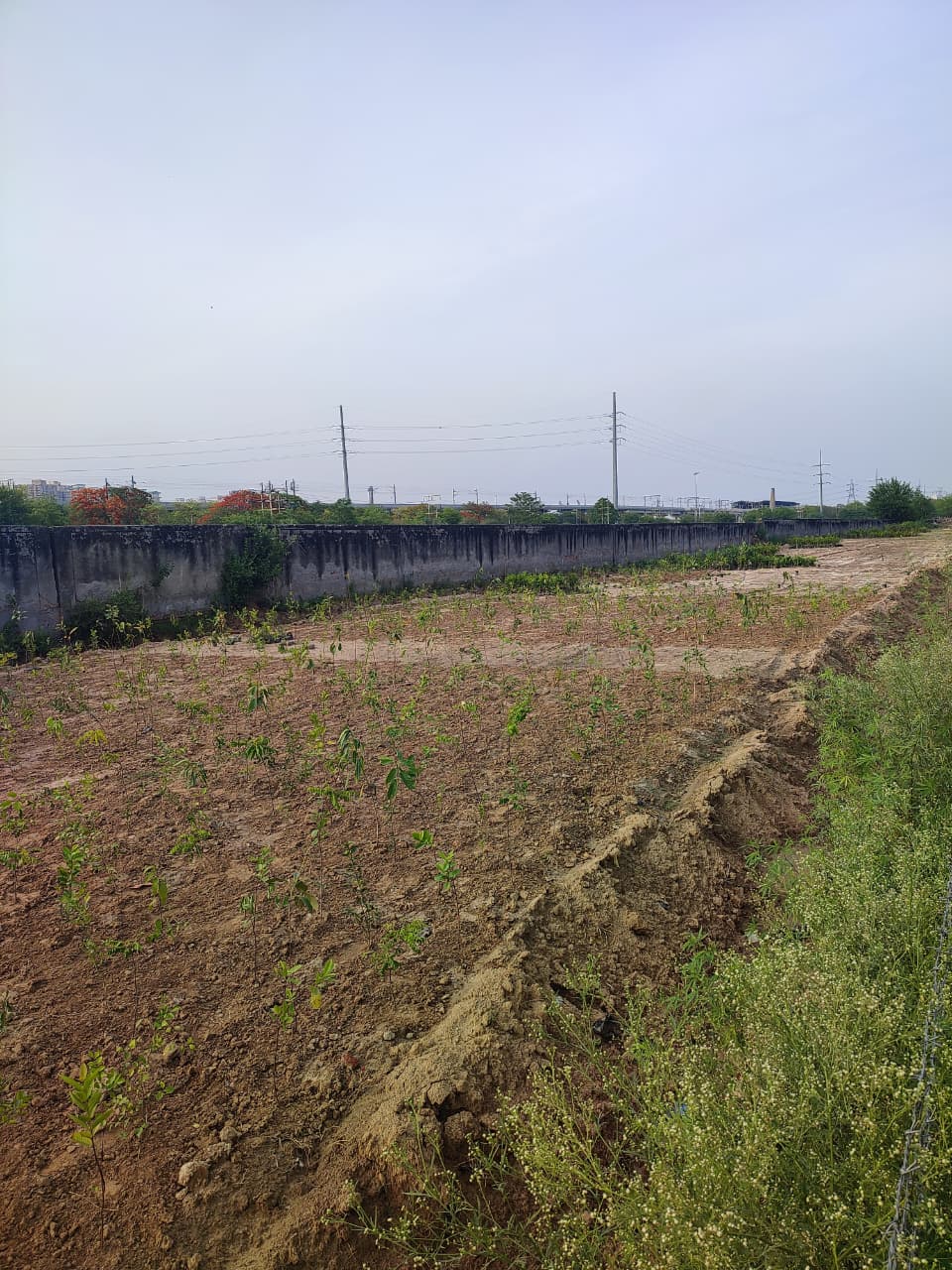
GNIDA Miyawaki forest corridor

Urban Forest

GNIDA Miyawaki Forest Development

The challenge: a barren industrial-edge site offered little shade, ecological value, or public inspiration. What changed: four acres were planted and managed as a dense native forest that is now a strong local example.

  • Greater Noida
  • 4 acres
  • Native forest approach
  • Native species were selected to establish a dense, layered ecosystem rather than a cosmetic plantation strip.
  • Monitoring tracks survival and ecological progress so the site can be managed with clear records.
  • The project now serves as a practical reference for similar city restoration work.

Landscape & Public Experience

National Railway Museum Landscape Development

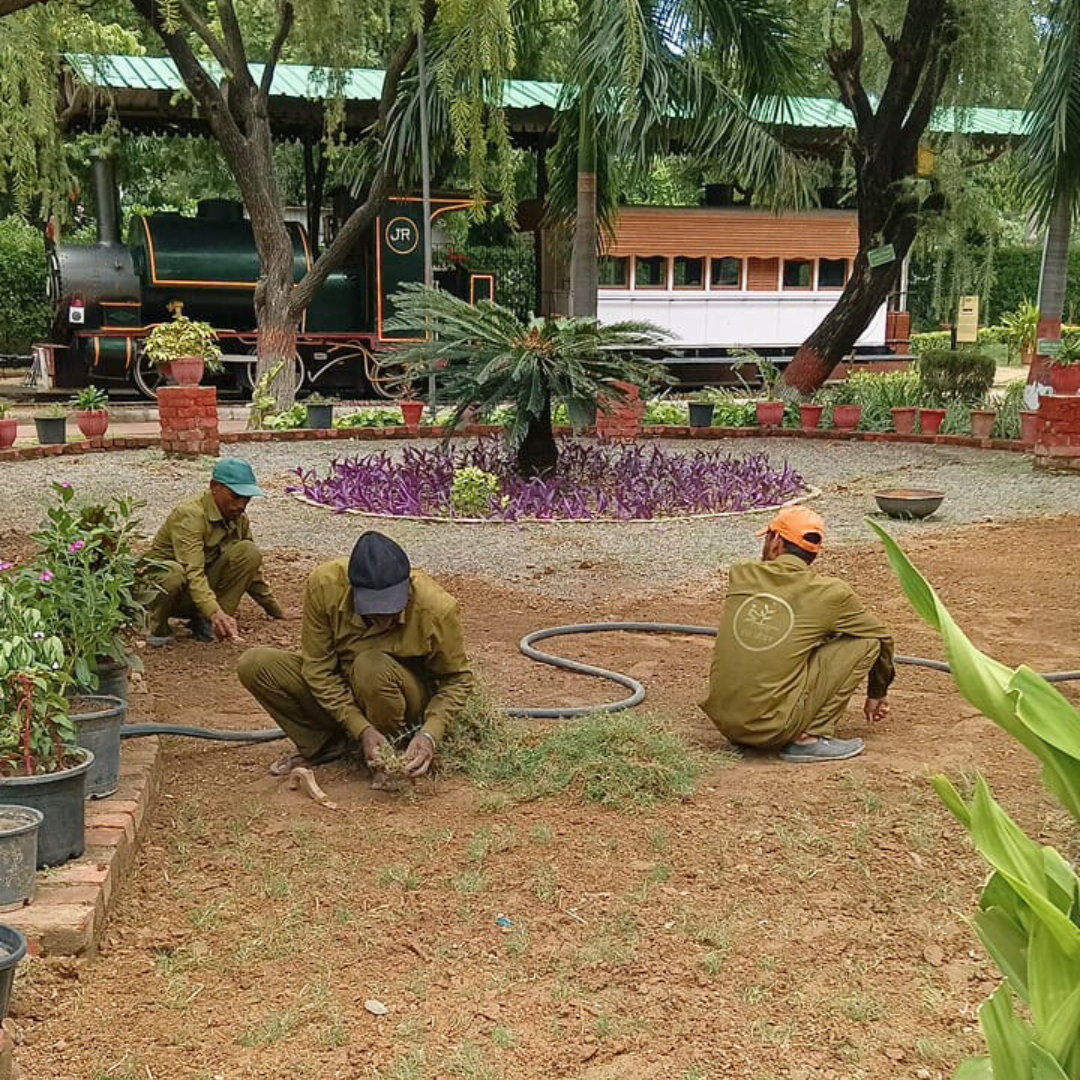
The challenge: a high-footfall public campus needed greener circulation, more biodiversity, and a better visitor experience. What changed: the museum landscape became more welcoming, shaded, and ecologically diverse.
  • Delhi NCR
  • Public campus
  • Visitor-friendly landscape
  • Landscape design balanced heritage character with practical improvements to comfort and biodiversity.
  • Pollinator-friendly planting and shaded zones improved how people move through and pause in the site.
  • Volunteer participation and interpretation elements helped extend the project into public education.
Landscape development at National Railway Museum
World Health Organization mercury awareness session with students

Public Awareness

World Health Organization - Mercury Pollution Awareness Drive

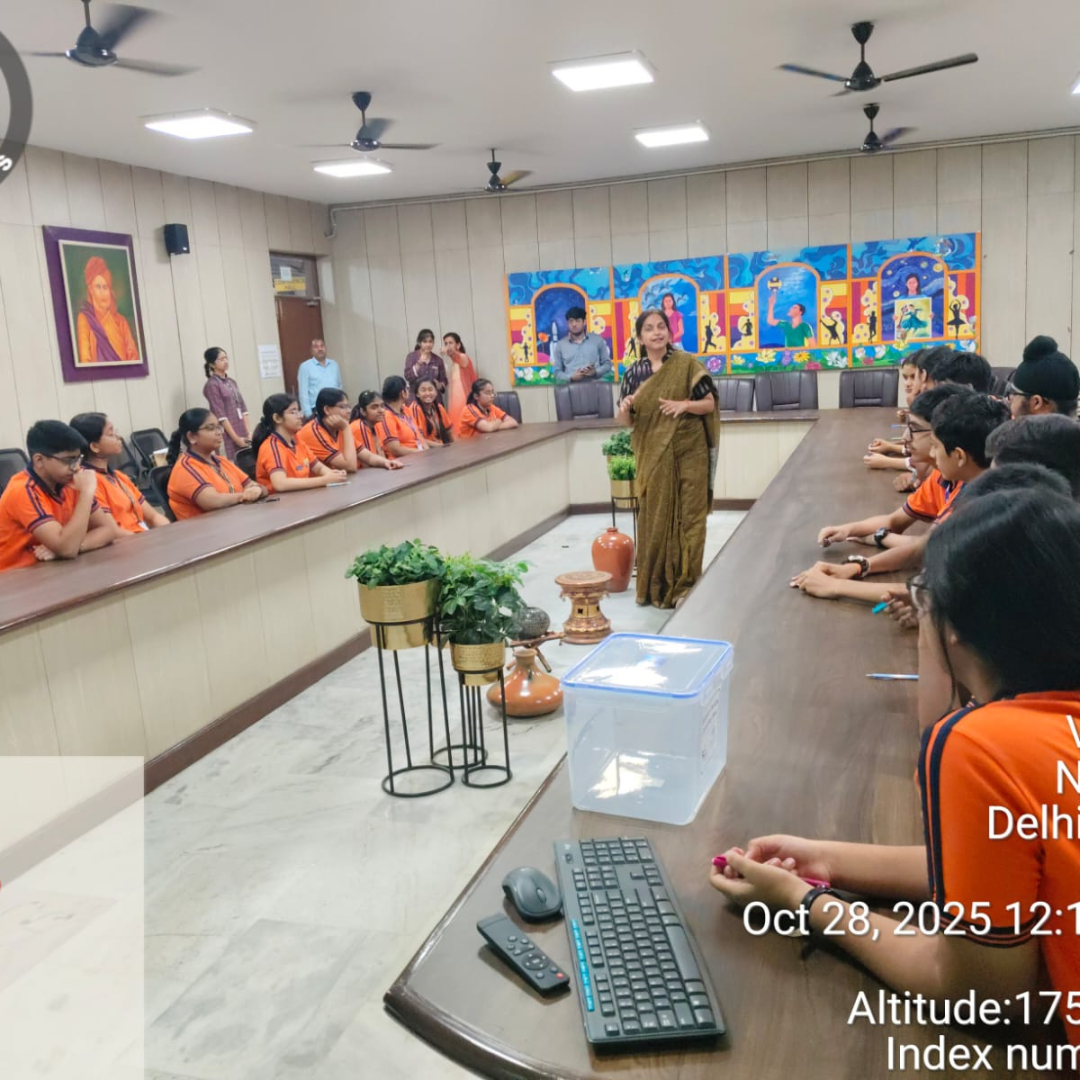
The challenge: mercury risks are poorly understood in many homes and schools. What changed: targeted school and community sessions helped people recognize hazards and respond more safely.

  • Delhi NCR
  • Schools and RWAs
  • Environmental health education
  • Sessions reached schools, resident groups, and senior citizens through practical examples and guided discussion.
  • Teachers received tools that helped extend awareness beyond one-time events.
  • The program connected public health concerns with day-to-day environmental responsibility.

Community Engagement

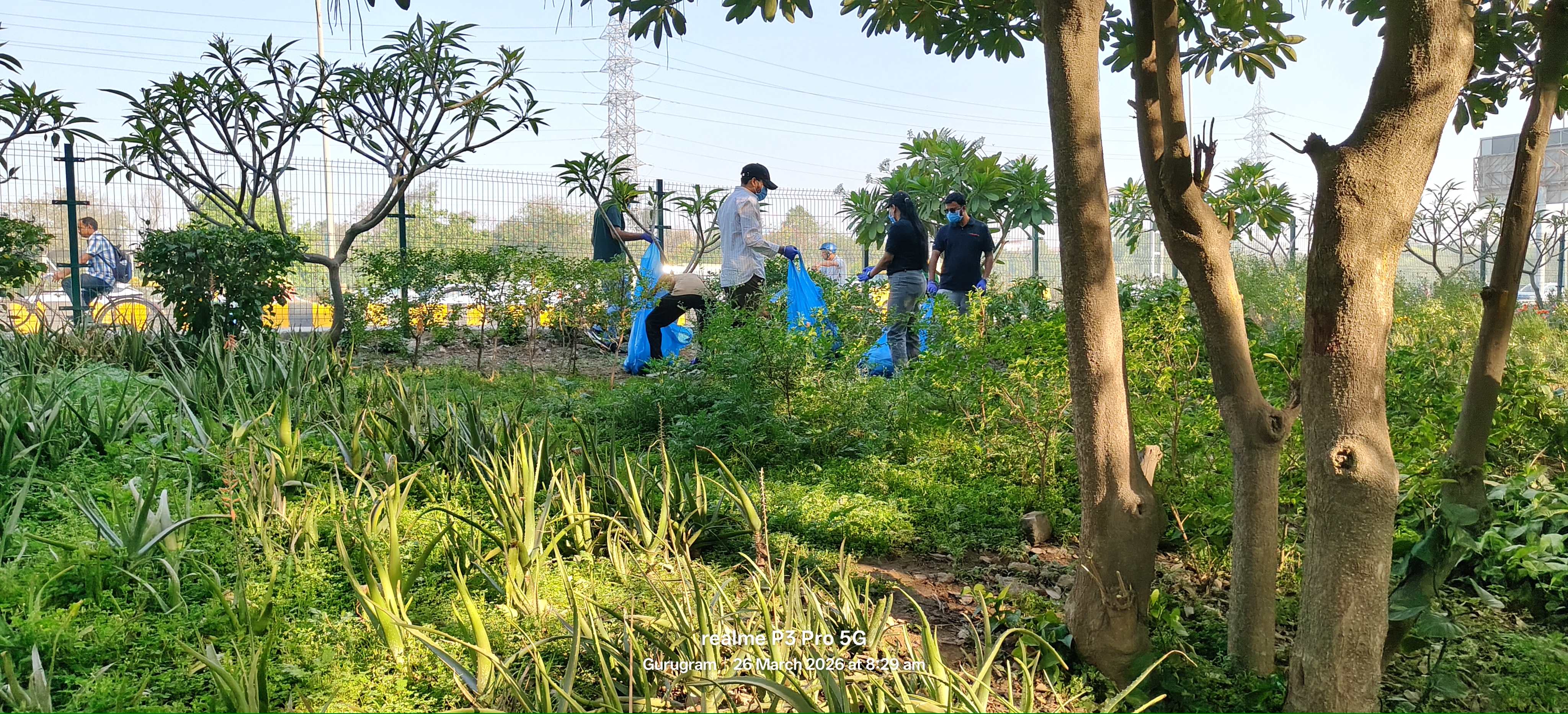
Aranya Green Belt Project

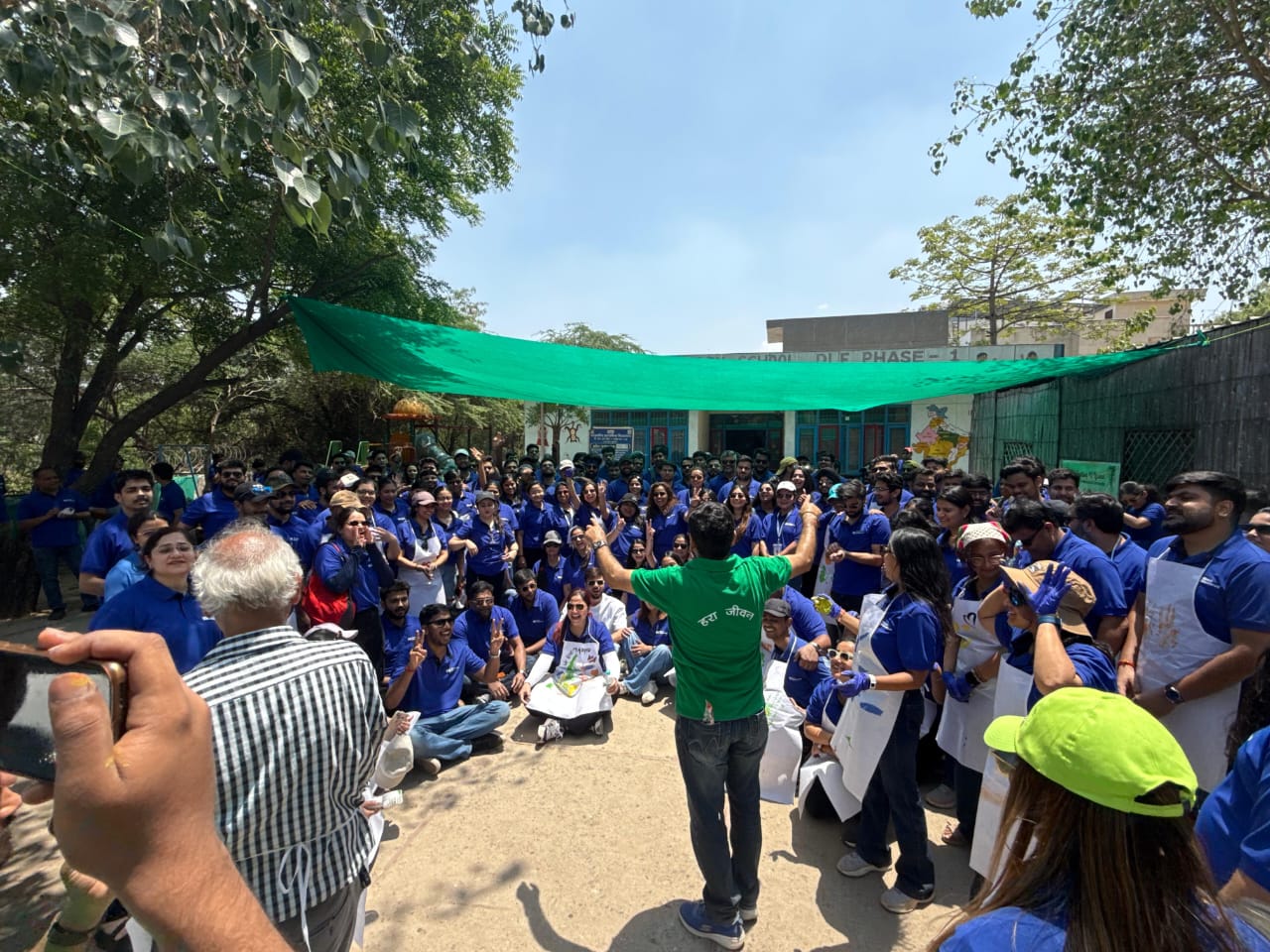
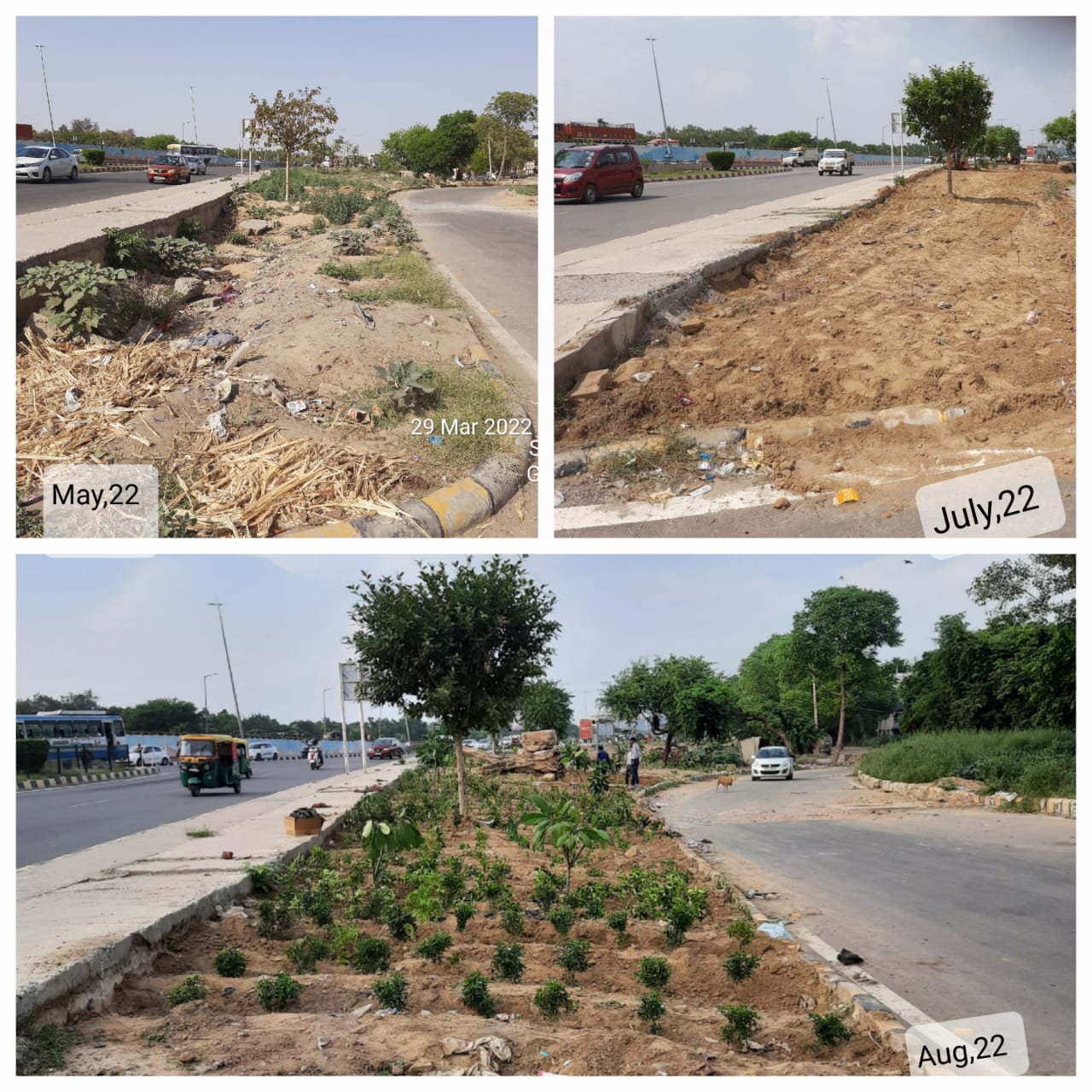
The challenge: a barren site offered little ecological or community value. What changed: regular plantation, cleanup, and local participation turned it into a green belt that people continue to maintain.
  • Delhi NCR
  • Community stewardship
  • Green-belt revival
  • Corporate volunteers and civic partners helped establish the first phase of visible change.
  • Children and residents were involved so the site grew into a community-owned effort rather than a one-time activity.
  • Cleanliness, eco-art, and recurring activation helped the green belt stay active in public memory.
Aranya green belt community plantation activity Aranya green belt restoration work in progress
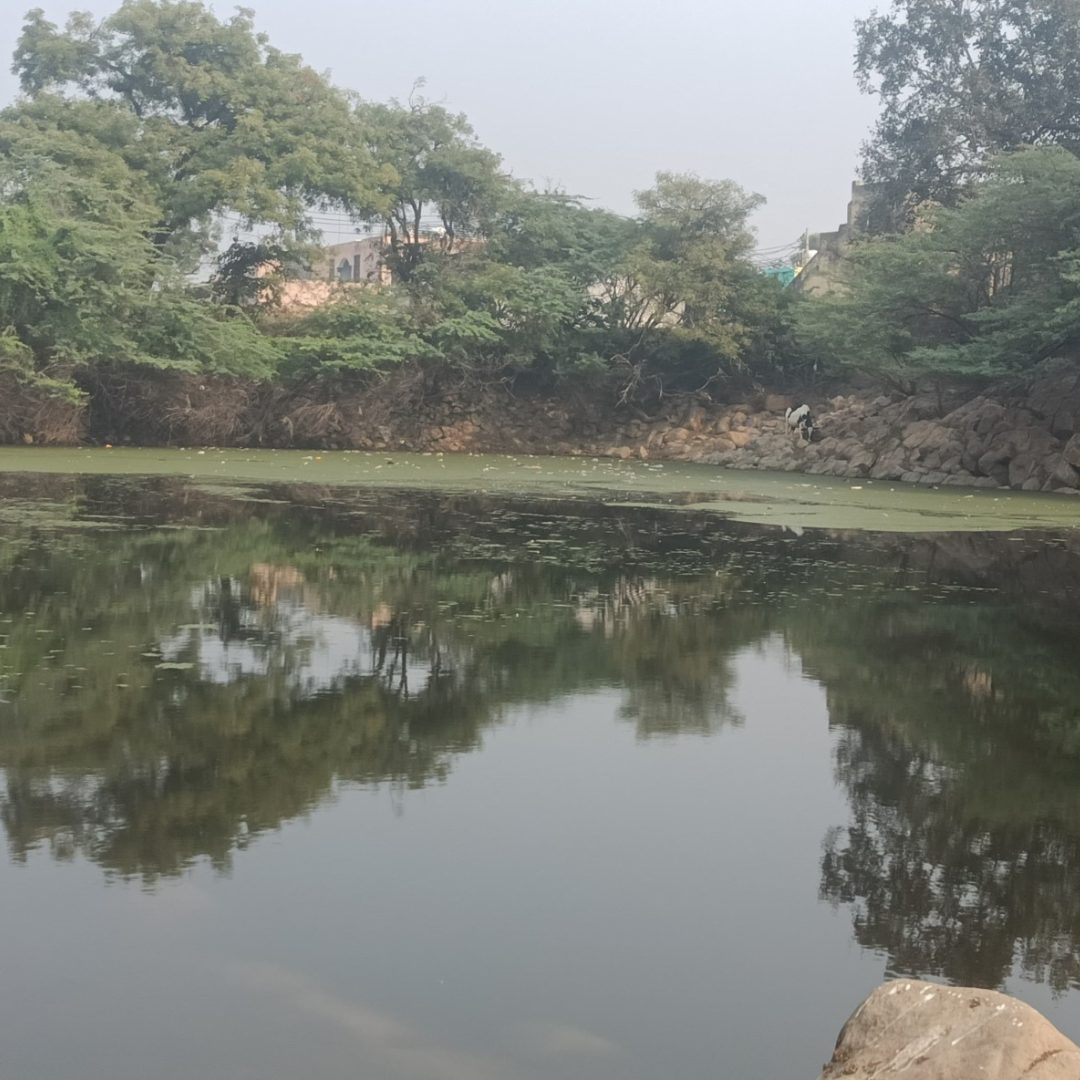
Bhandwari water body restoration and revitalization

Water Body Revival

Bhandwari Water Body – Restoration & Revitalization

The challenge: the water body had degraded and needed structural and ecological care to become useful again. What changed: restoration work stabilised the basin and improved its role as a neighbourhood ecological asset.

  • Delhi NCR
  • Lake restoration
  • Neighbourhood commons
  • Cleaning, desilting, and structural repairs addressed the immediate health of the site.
  • Planting around the edge supported biodiversity and improved how the water body sits within the local landscape.
  • The project now demonstrates a practical approach to urban water restoration.

School Transformation

Hara Vidyalaya Initiative

The challenge: many schools want environmental education to be practical, not abstract. What changed: Hara Vidyalaya introduced visible waste systems and student-led climate habits across 279+ schools.

  • 279+ Delhi NCR schools
  • Waste systems
  • Student eco-leadership

01

Installed composting units and practical waste-management infrastructure.

02

Launched no-plastic campaigns with students as visible ambassadors.

03

Built a school approach that other districts can adapt to local needs.

04

Reached thousands of students and teachers through repeated activities.
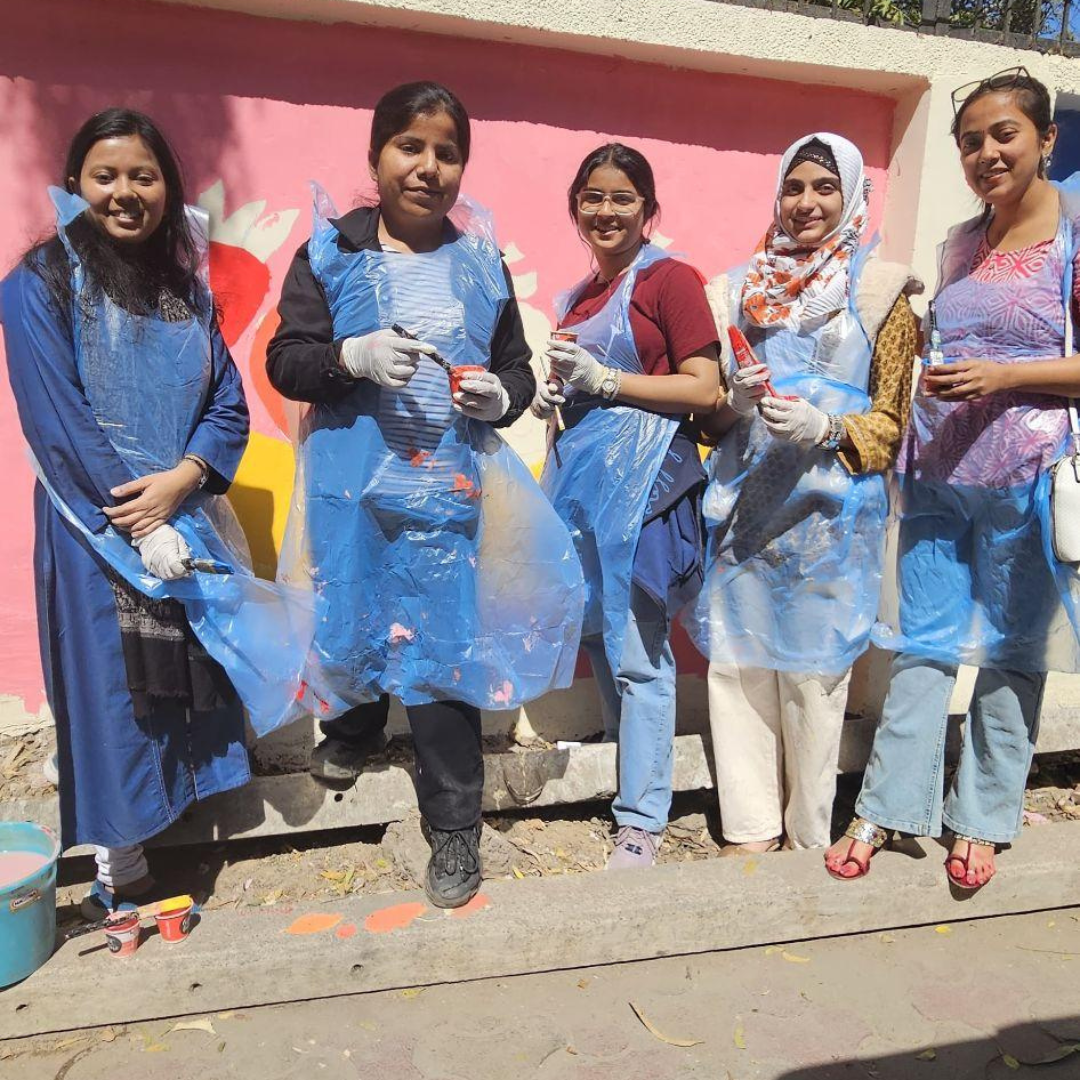
Students participating in Hara Vidyalaya activities

Looking for something specific?

Tell us your context, and we will share the closest story.

If you need a water-restoration reference, a school example, or a site similar to yours, we can point you to the most relevant case and next step.

Donate