Site study
Mapped hot spots, dust corridors, and visitor bottlenecks with NRM teams.
A 9-acre heritage campus in Delhi NCR made greener, cooler, and more immersive through landscape beautification, maintenance, and long-term care.
The Problem
The National Rail Museum in Delhi NCR is a high-footfall public heritage campus. Historically, large expanses of hard surfaces, unshaded walkways, and neglected soil created a severe heat island effect. Strong wind currents carried dust across the campus, affecting visitors and vintage locomotives. The campus lacked structured greenery, cooling corridors, and native ecological support.
.jpeg)
What We Are Doing
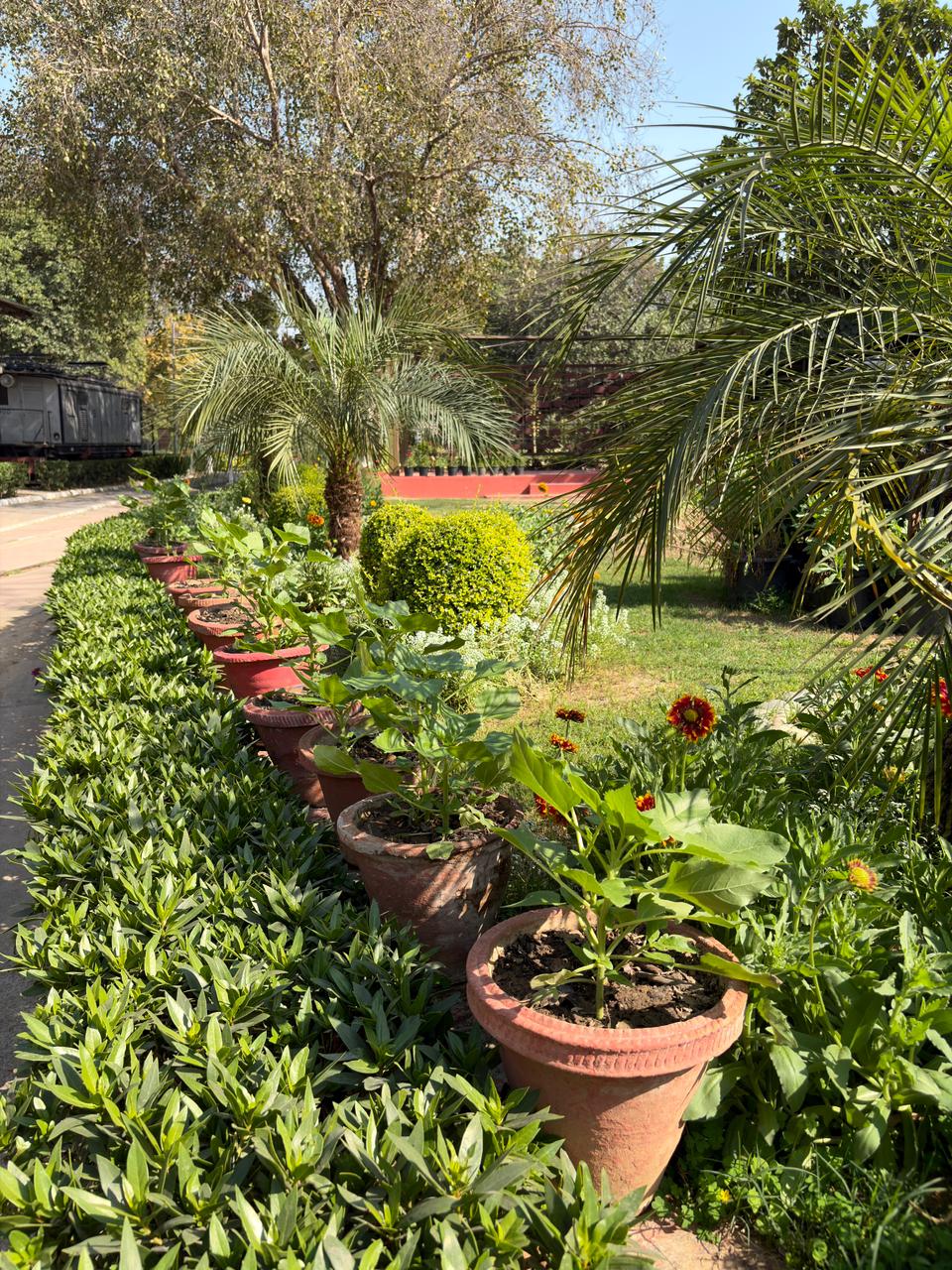
Hara Jeevan reimagined the NRM campus with native horticulture, efficient soil irrigation, and visitor-centric landscaping. We designed bioswales to manage runoff, introduced pollinator-friendly plants, and collaborated with CSR partners like the Taj Hotel to install eco-friendly birdhouses.
Mapped hot spots, dust corridors, and visitor bottlenecks with NRM teams.
Selection of drought-resilient native species, irrigation layout, and lighting cues.
Phased horticulture works scheduled around museum hours to avoid disruption.
Annual pruning, soil health reviews, and horticulture staff training modules.
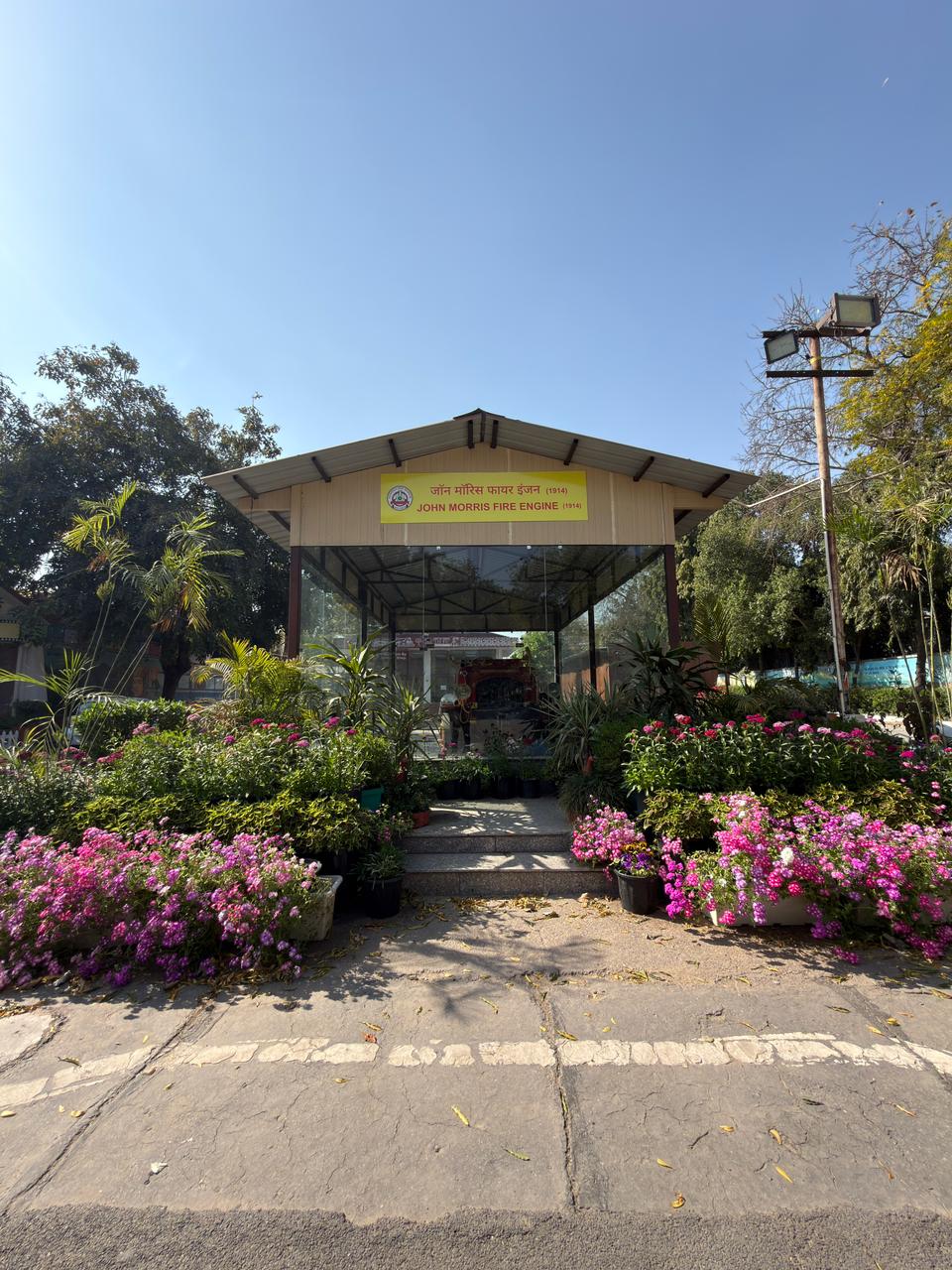
Every pathway was redesigned to guide visitors comfortably through heritage exhibits while supporting local biodiversity.
Current Status & Impact
Today, the NRM landscape is in a mature maintenance phase. Our work does not end with installation. We maintain, prune, monitor, and care for the landscape until the green cover establishes well enough for a responsible handover to the campus authorities.
managed for landscape beautification.
success ratio through ongoing care.
species of native trees, shrubs, and groundcovers.
of shaded walkways linking exhibits.
.jpeg)
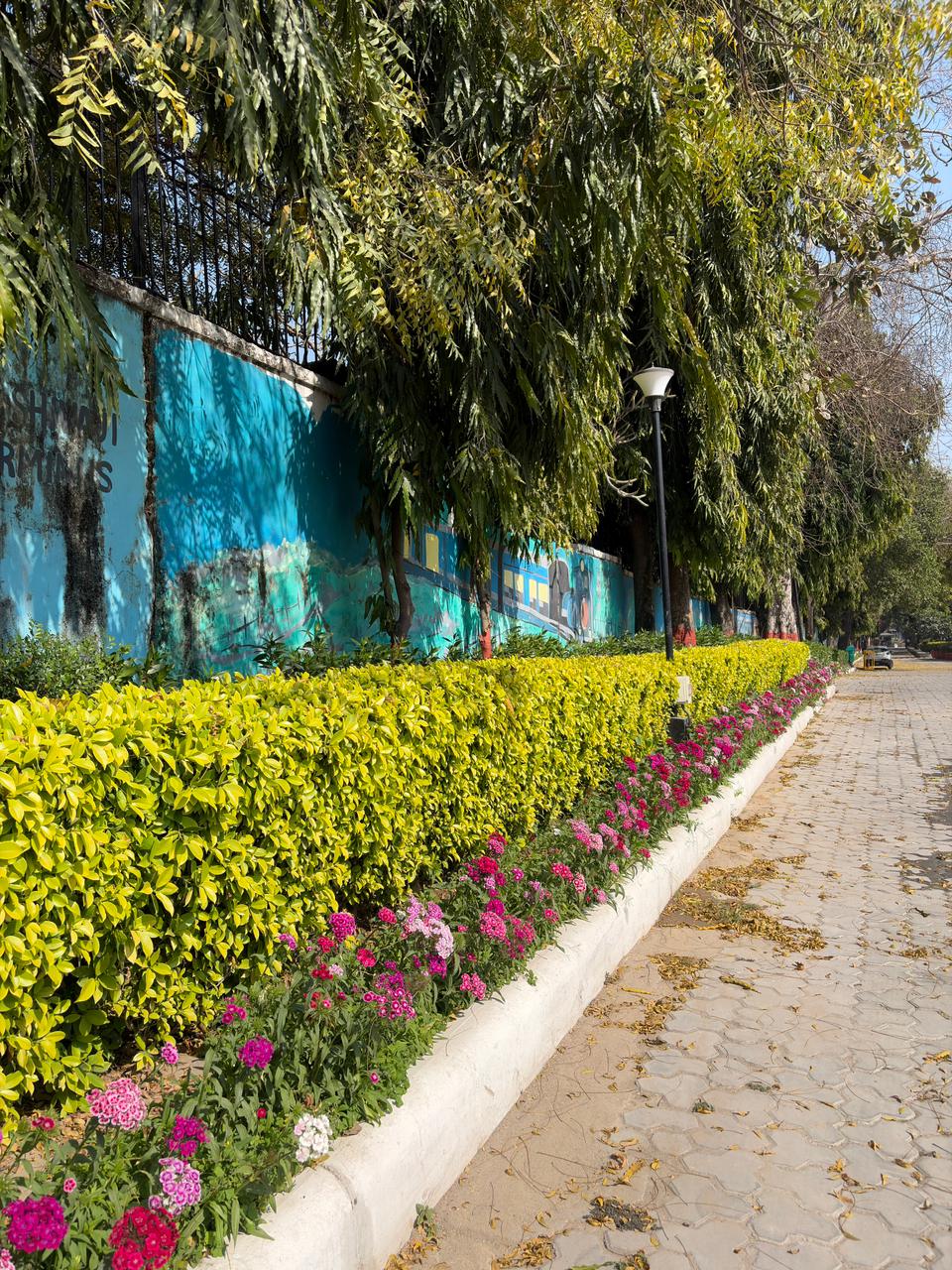
The introduced native flora helps bind the soil, reduce ambient dust, and cool walking trails by up to 3°C during peak summer months, making the outdoor museum accessible year-round.
Gallery
.jpeg)
.jpeg)
.jpeg)
.jpeg)